If you’ve recently been told you have a thin gum biotype or you’ve noticed your gums look delicate and you’re wondering what that means for your dental health you’re in the right place. Gum biotype is one of the most important factors in long-term gum stability, yet most patients leave their dental appointments without a clear explanation of what it is, why it matters, or what can be done about it. This FAQ covers the questions I hear most often about gum biotype, thin gum tissue, gum recession risk, and connective tissue grafting in plain language, without the jargon.
The Basics
Q. What exactly is gum biotype?
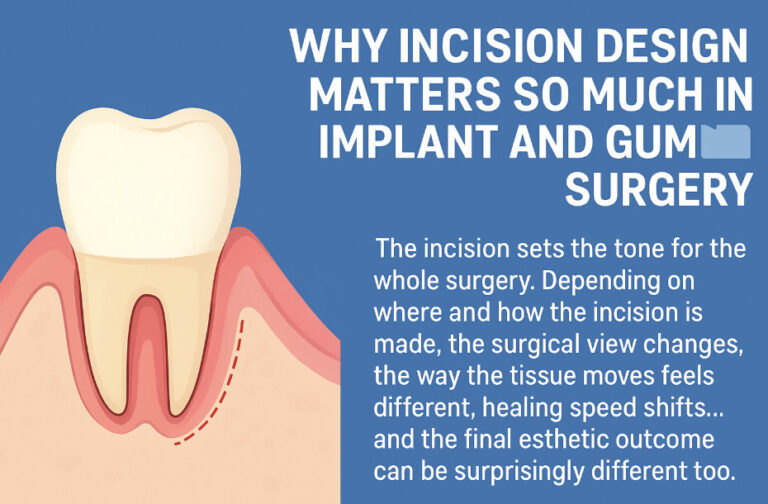
Gum biotype refers to the natural thickness and texture of your gum tissue. Think of it like skin type some people naturally have thick, resilient skin, and others have thin, sensitive skin. Your gums work the same way. Thick gum biotype tissue is dense and firm, sitting broadly around the base of your teeth. Thin gum biotype tissue is delicate sometimes almost see-through — and sits much more closely against the underlying bone with very little cushioning in between.
Q. How do I know which type I have?
Your dentist or periodontist can check this in about ten seconds during a routine exam. They gently place a thin probe alongside your tooth into the gum pocket. If they can see the outline of the probe through the gum tissue, you have a thin gum biotype. If the tissue is opaque and the probe isn’t visible, you likely have a thick gum biotype. Other clues include your tooth shape narrow, triangular teeth tend to come with thin biotype gums, while broader, squarer teeth usually accompany thicker gum tissue.
Q. Is one biotype better than the other?
Neither is inherently better or worse, but they carry different risks. Thick gum biotype is more forgiving it tolerates aggressive brushing, orthodontic movement, and dental procedures with less visible consequence. Thin gum biotype tissue is more reactive. It responds more dramatically to irritation and has less structural reserve before recession becomes visible. If you have a thin gum biotype, that doesn’t mean problems are inevitable it just means certain habits and treatments require more care.
Gum Recession Risk
Q. Does thin gum biotype mean I’ll definitely get gum recession?
Not automatically but thin gum biotype is the strongest single predictor of gum recession risk. The tissue simply has less volume to lose before the root surface becomes exposed. People with thin gum biotype who also brush aggressively, have teeth positioned toward the outer edge of the jaw, or experience chronic low-grade gum inflammation are at particularly elevated risk. If you fall into multiple risk categories, a conversation with a periodontist about proactive tissue augmentation is worth having before recession appears.
Q. Can gum recession happen even if I brush gently?
Yes. Brushing technique is just one factor. Thin gum biotype tissue can recede from orthodontic treatment that moves teeth outward, from teeth grinding that puts sustained pressure on the jaw, from poorly fitting dental restorations that create chronic gum irritation, and simply from the accumulated effects of inflammation over time. Brushing gently helps but it isn’t a complete guarantee against recession if other risk factors are present.
Q. What’s the earliest sign of recession I should watch for?
The most common early signal is increased tooth sensitivity particularly to cold along one or more teeth that weren’t sensitive before. You might also notice that certain teeth appear slightly longer than they used to, or that a thin line where the tooth color changes is becoming visible near the gumline. Catching recession early, when it’s still shallow and the band of protective gum tissue is still present, makes treatment significantly simpler.
Treatment and Prevention
Q. Can gum biotype be changed?
Gum biotype is largely genetically determined you can’t thicken your gums through diet or brushing habits alone. However, it can be surgically modified. A connective tissue graft where a small amount of donor tissue is taken from the roof of your mouth and placed beneath the existing gum surface at a thin or receded area is the primary method of converting a thin gum biotype to a thicker, more resilient tissue profile. The results are durable and, for most patients, long-lasting.
Q. Does gum biotype affect dental implants?
Significantly. Thin gum biotype around implants is associated with higher rates of tissue recession, graying of the gum margin from the implant metal showing through, and long-term aesthetic complications. Many periodontists now recommend biotype assessment and, if needed, tissue augmentation before implant placement not after a problem appears.
Q. What should I do right now if I have thin gum biotype?
Switch to a soft-bristled toothbrush immediately if you haven’t already, and use gentle circular motions rather than horizontal scrubbing. Ask your dentist to note your biotype in your chart and flag it before any orthodontic treatment or implant planning. Schedule more frequent periodontal checkups every three to four months rather than every six so that any early recession is caught before it requires surgery. And if you’ve been told recession is already starting, get a periodontist evaluation sooner rather than later. Early intervention is almost always less involved than waiting.