
Hello I’m Dr.Lee! When people experience tooth pain, the first thing that usually comes to mind is whether they have a cavity or maybe gum problems.
Many ask, “Do I have cavities?” while older patients tend to worry more about their gums.
However, Tooth Pain Causes can vary widely — it isn’t always about cavities or gum disease.
It can also stem from cracked teeth, tooth sensitivity, or other dental issues. Sometimes, a dental X-ray is necessary to find the exact cause because not all problems are visible to the naked eye.
Tooth Pain Causes
Among the many causes of tooth pain, two main problems often stand out: cavities and cracked teeth. Knowing the differences and spotting symptoms early can help you avoid more serious issues later.
1. Cavities
Your teeth actually communicate with you through pain signals, so it’s important not to ignore any discomfort. Cavities start small, but if left untreated, they can grow deeper and cause more severe damage.
- Symptoms to Watch For
If you feel sensitivity or mild pain when eating or drinking cold foods or drinks, this could indicate an early cavity. At this stage, the enamel may be weakened but the damage hasn’t reached the nerve yet.
On the other hand, if hot foods or drinks cause sharp or lingering pain, it often means the cavity has progressed closer to the dental pulp, where the nerve endings are, causing more intense discomfort. - Important Distinctions
Sensitivity to cold can also be related to gum recession or gum disease, which exposes the tooth roots. Sensitivity or pain from hot stimuli, however, usually points to deeper decay needing prompt attention.
If you notice persistent sensitivity to cold or pain from heat, visiting your dentist sooner is always the best choice. Early intervention can prevent more complicated treatments like root canals or extractions.
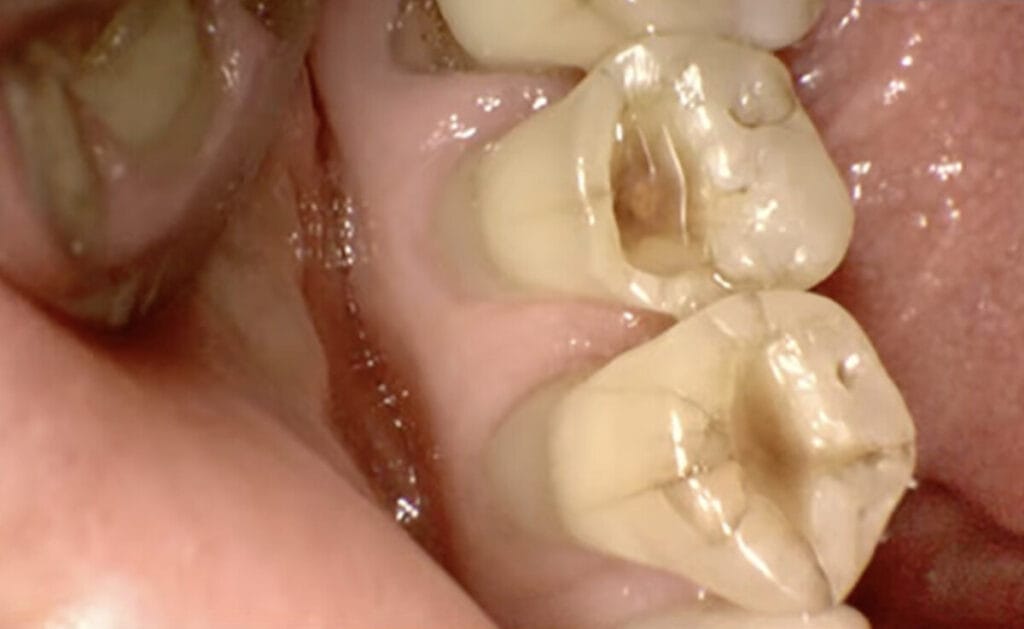
2. Cracked Teeth
Cracked teeth are more common than many people realize, and they are another major source of tooth pain. Teeth can crack for several reasons: decay weakening the structure, trauma such as accidents, or everyday habits like grinding (bruxism) or chewing hard foods.
- How to Spot a Cracked Tooth
A typical symptom is a sudden sharp, electric-like pain when biting down on something. This pain often disappears once you stop chewing, which can make it tricky to identify at first.
As the crack worsens, chewing might become uncomfortable or painful, and you may start favoring the other side of your mouth without realizing it. - Why It Matters
If a crack goes deep enough, bacteria can enter and cause infection, sometimes leading to the need for root canal treatment or even tooth extraction. Catching cracks early can save your tooth and prevent more invasive procedures.
When Do These Problems Typically Begin?
Cavities often develop in teens and young adults, usually on the chewing surfaces of molars where plaque tends to build up. However, adults over 30 frequently experience cavities forming between teeth, especially if gums begin to recede with age. These hidden cavities are hard to spot without professional dental tools, making regular check-ups and X-rays essential.
Cracked teeth can happen at any age but tend to be more common in middle-aged and older adults due to accumulated wear and tear. Nighttime grinding or clenching of teeth also increases the risk, as it puts excessive pressure on the enamel over time.
Why Are Dental X-Rays So Important?
Dental X-rays are a critical diagnostic tool because many tooth problems can’t be seen during a visual exam. Cavities between teeth, infections around the roots, or bone loss in gums are often invisible without imaging. While not all cracks appear clearly on X-rays, they can reveal hidden damage inside the tooth that guides treatment decisions. If you’re experiencing tooth pain or unusual sensitivity, your dentist will likely recommend X-rays to pinpoint the exact issue.
When Should You Visit the Dentist?
If you notice any of the following, it’s time to schedule an appointment:
- Sensitivity or pain when eating or drinking cold or hot foods
- Sharp pain when biting or chewing
- Persistent discomfort in a specific tooth or area
- Changes in your gums, such as recession or swelling
Many people try to avoid chewing on the painful side, hoping the problem will go away, but tooth pain rarely resolves on its own. Delaying care can lead to more serious damage and more complex treatment later on.
Final Thoughts : Tooth Pain Causes
A tooth with a small cavity and little discomfort might only need monitoring at first. But once pain starts or damage progresses, timely treatment is essential to save the tooth and avoid complications. Remember, your natural teeth cannot heal themselves—early diagnosis, regular dental check-ups, and proper care are key to maintaining a healthy smile for life.


