
Hello! I’m Dr. jayLee, a dentist. Let’s talk about something a lot of people don’t realize—the overtreatment of cavities is more common than you think, and you might not actually need that filling your dentist recommended.
I see it all the time. Patients, usually between 25 and 55, come in thinking they need a filling just because they spotted a dark spot on their tooth or because another dentist told them they had a cavity.
But here’s the thing: not every cavity needs to be drilled and filled. In many cases, cavities stop progressing on their own, and your tooth can even remineralize with proper care. Unfortunately, the overtreatment of cavities leads many people to spend money on unnecessary procedures.
So, how do you know when treatment is really necessary? Let’s break it down.
Before You Spend Money, Check for Yourself
If you take just a minute to read this, you’ll save some money.
Step 1: Take a Look
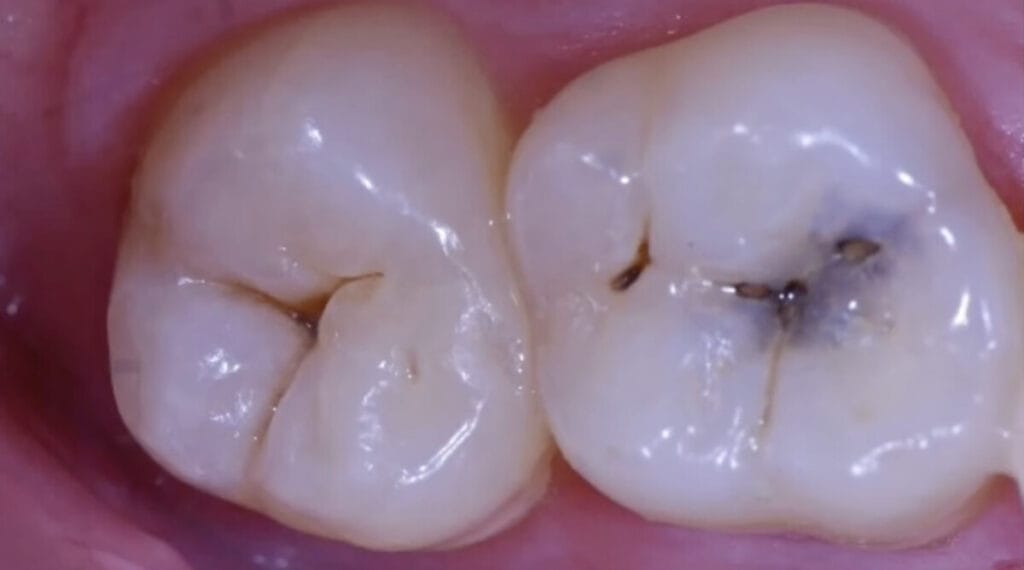
Open your mouth wide and check your molars the chewing surfaces. These areas naturally have grooves, and that’s where cavities often start. If you see a dark line in those grooves, don’t panic.
It could just be a stain or an early-stage cavity that isn’t actively progressing. However, some dentists, due to the overtreatment of cavities, might suggest filling these minor spots even when it’s not necessary.
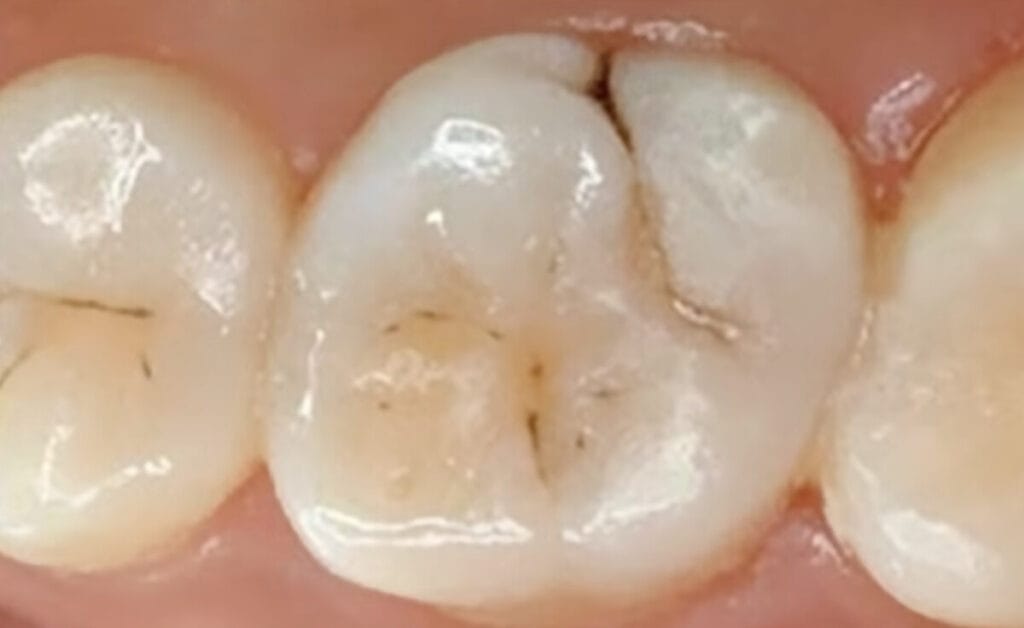
Step 2: The Scratch Test
Try gently scraping the dark spot with a toothpick or your fingernail. If the surface feels smooth and nothing flakes off, there’s a good chance it’s just a stain or a superficial cavity that hasn’t broken through the enamel.
In that case, you don’t need a filling just keep an eye on it and maintain good oral hygiene. But due to the overtreatment of cavities, some dentists might still insist on drilling.
Why Some Dentists Recommend Treatment Anyway
Here’s where things get tricky. Some dentists are more aggressive and will recommend filling even the tiniest cavities to “prevent future problems.”
Others take a more conservative approach and suggest monitoring the tooth before jumping into treatment.
That’s why you can go to two different dentists and get two completely different opinions. This inconsistency often stems from the overtreatment of cavities, where some providers take a more aggressive approach to dental care than necessary.
Your Teeth Can Defend Themselves
The healing ability of a healthy person.
How Cavities Stop on Their Own
Your enamel the outer layer of your teeth is tough. As long as the decay hasn’t broken through to the softer dentin underneath, your tooth can actually slow down or stop the cavity from progressing.
Plus, your saliva contains minerals that help rebuild enamel, and fluoride (whether from toothpaste or tap water) strengthens your teeth.
That’s why some early cavities don’t get worse they just hang out there without causing any real harm.
But and this is important if the cavity has reached the dentin, it’s a different story. Dentin is much softer than enamel, so once decay gets in, it can spread fast.
That’s when you’ll need treatment. And in cases like these, getting the right treatment is crucial overtreatment of cavities should never mean treating something that isn’t there, but rather treating only when necessary.
summarize
Let me summarize it for you.
Do They Actually Try to Save Your Natural Teeth? Here’s How to Tell.
If you’ve been to multiple dentists, you might’ve noticed something strange one says you need extractions, another finds more cavities than you expected. It’s hard to know who to trust.
That’s why it’s important to pay attention to how a dentist approaches treatment. Are they focused on saving your natural teeth, or do they recommend more aggressive procedures right away?
I take a conservative approach.
A common misconception is that cavities always need immediate treatment. That’s not necessarily true.
The urgency depends on how advanced the cavity is. In adults, early-stage cavities don’t progress as quickly as they do in kids. In many cases, with proper care, they can stop progressing altogether.
If I find an early cavity, I document it and check again in three months. Regular checkups are key.
I always ask myself, If this were my own tooth, what would I do? That’s the standard I use for every patient.
When You Actually Need a Filling
Not all cavities are harmless. Sometimes, what looks like a small surface cavity is actually much deeper inside the tooth. This is especially true for cavities between teeth, which can creep toward the nerve without you noticing.
How to Know for Sure
Before agreeing to treatment, ask your dentist to take an X-ray. X-rays show whether the cavity is just in the enamel (which might not need treatment) or if it’s reached the dentin (which usually does).
Some dentists won’t even mention the option of monitoring early cavities because, let’s be honest, treating cavities makes money.
But a good dentist will explain your options, show you the X-ray, and help you make an informed decision.
Also, if you’re unsure about your dentist’s recommendation, don’t hesitate to get a second opinion.
It’s your mouth, your money, and your choice. The more you understand about the overtreatment of cavities, the better decisions you can make for your dental health.
Wrap-Up
A lot of people end up spending money on dental treatments they don’t actually need just because they don’t know any better. That’s why I always tell my patients: not every cavity needs a filling, and your teeth have some natural defense mechanisms that can help.
If your dentist tells you that you need a filling, ask questions. Get an X-ray. If it’s just a tiny surface cavity, consider waiting and focusing on good oral hygiene instead. And if something doesn’t feel right, get a second opinion.
At the end of the day, the goal isn’t just to fix cavities it’s to keep your teeth healthy for life while avoiding unnecessary treatments. Stay informed, take care of your teeth, and don’t let overtreatment of cavities drain your wallet!


